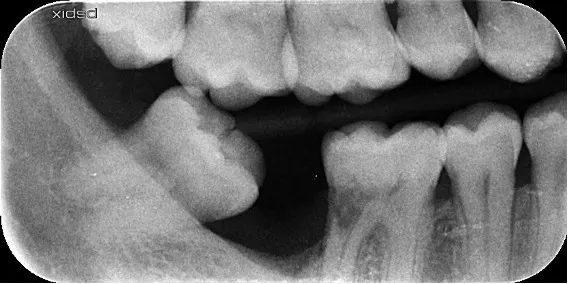


Conservative dentistry is the dental specialty concerned with the prevention, diagnosis and treatment of all the pathology that affects the dental tissues.
Today, as in the other specialties, the emphasis is on prevention and treatments tend to be conservative and minimally invasive, preserving as much dental tissue as possible.
The most frequent conditions this specialty deals with are: cavities (depending on position and extent), cracked or fractured teeth, involvement of the pulp tissue (infection and necrosis), tooth wear and dental trauma…
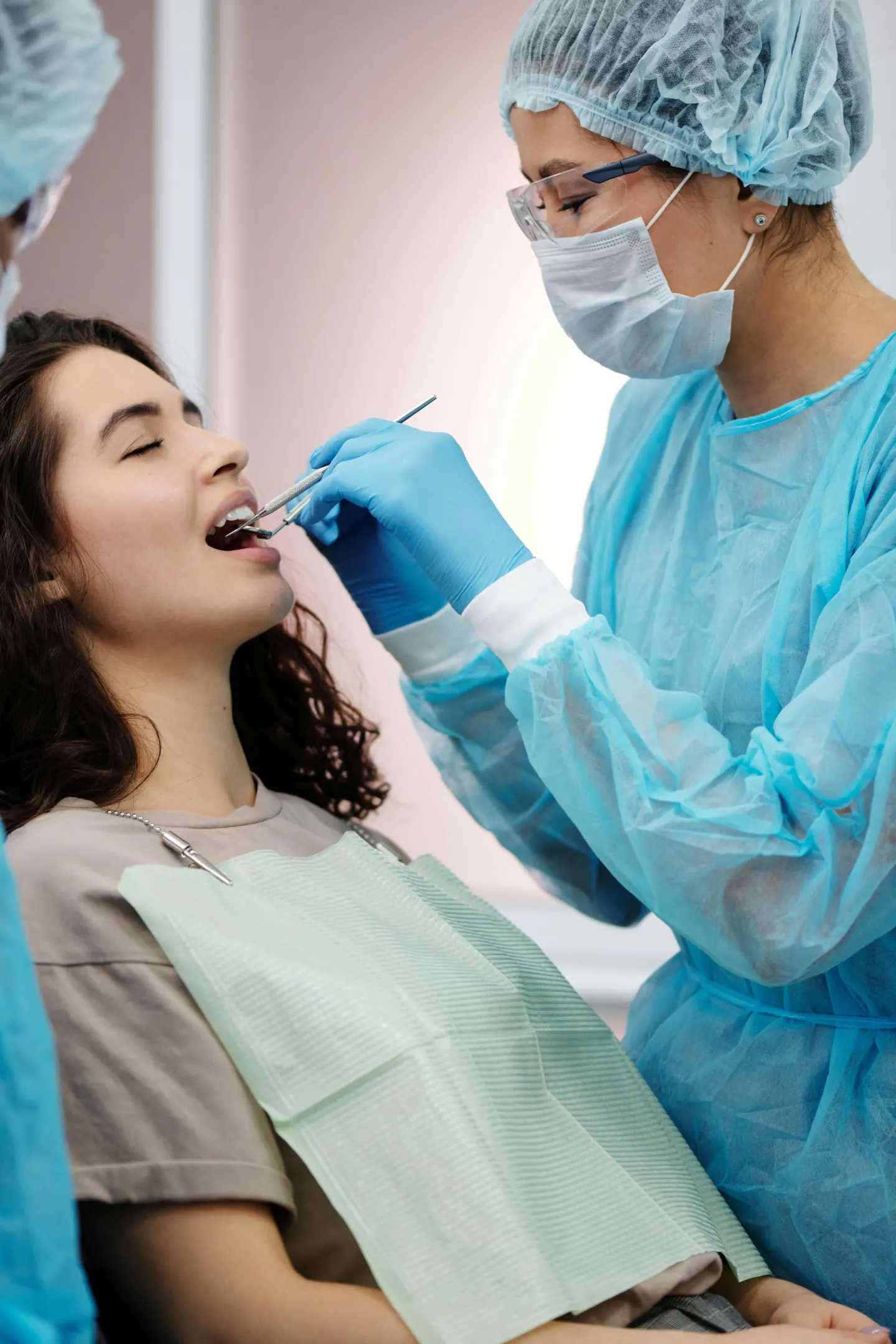
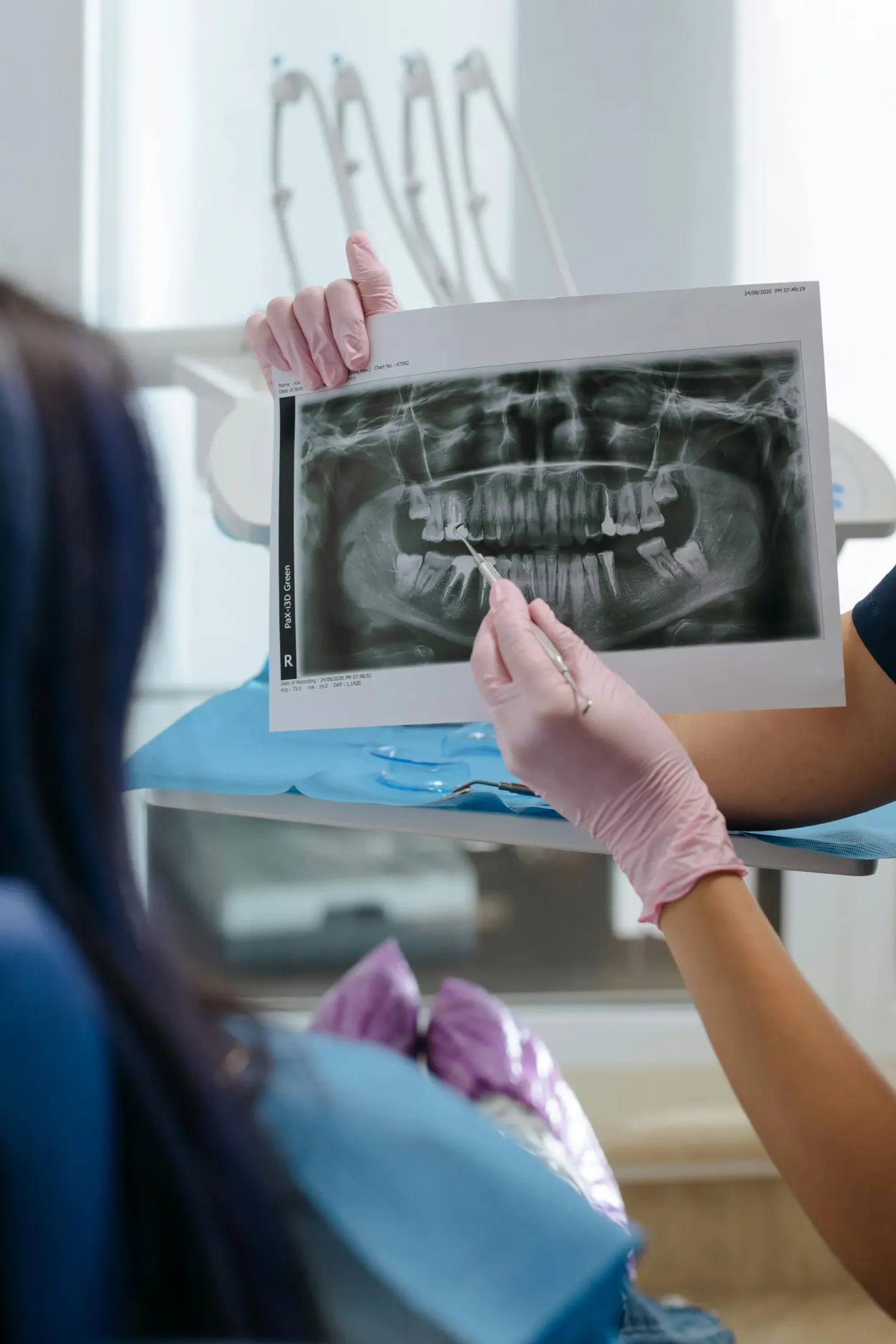
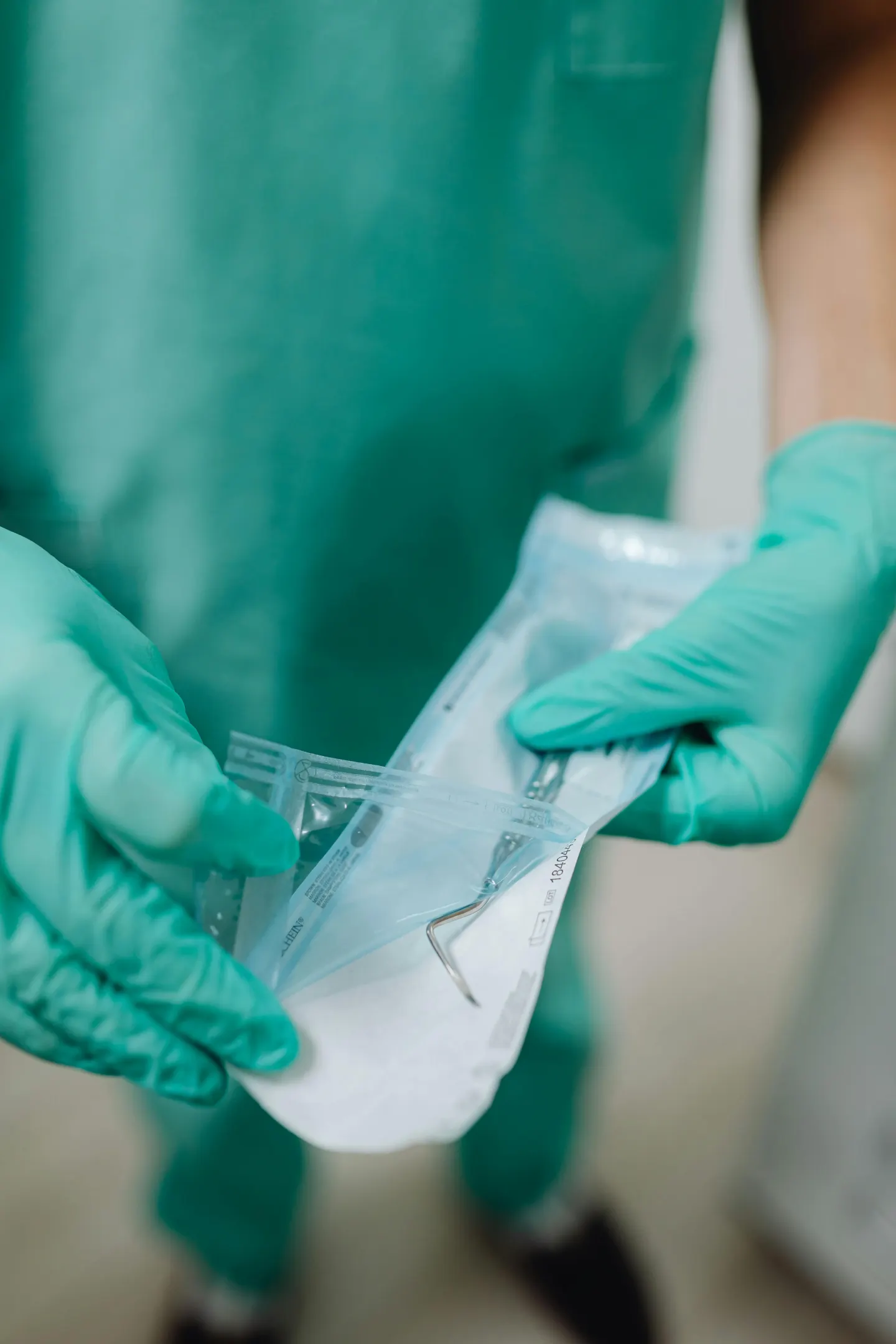
Some of the most common treatments used to treat these conditions are:
Fillings:
Restoration of the tooth structure lost to cavities, trauma, erosion …
After the affected tissue has been removed, the lost part is rebuilt freehand at the clinic, restoring the appearance of the natural tooth.
Inlays:
More extensive restorations where we need to rebuild more walls that have been lost or affected.
After preparing the area, a single piece (made outside the mouth, replacing the whole part of the tooth that has been lost) is cemented in place.
This treatment provides a better fit and protects the tooth.
Root canal treatment:
(Endodontics). A procedure that removes the infected or damaged pulp tissue inside the tooth. The root canal is disinfected and filled with a material that seals it completely, to prevent bacteria from passing into the bone and destroying it.
Dental sealants:
Application of a protective layer to the biting surfaces of molars and premolars to prevent cavities from forming. It is done in children shortly after the teeth erupt.
Fluoride treatment:
Use of fluoride (with varnishes and gels) to strengthen the tooth enamel and reduce the incidence of cavities.
Dental prophylaxis (dental cleaning):
Professional cleaning procedures to remove plaque and tartar that cannot be removed by brushing and flossing.
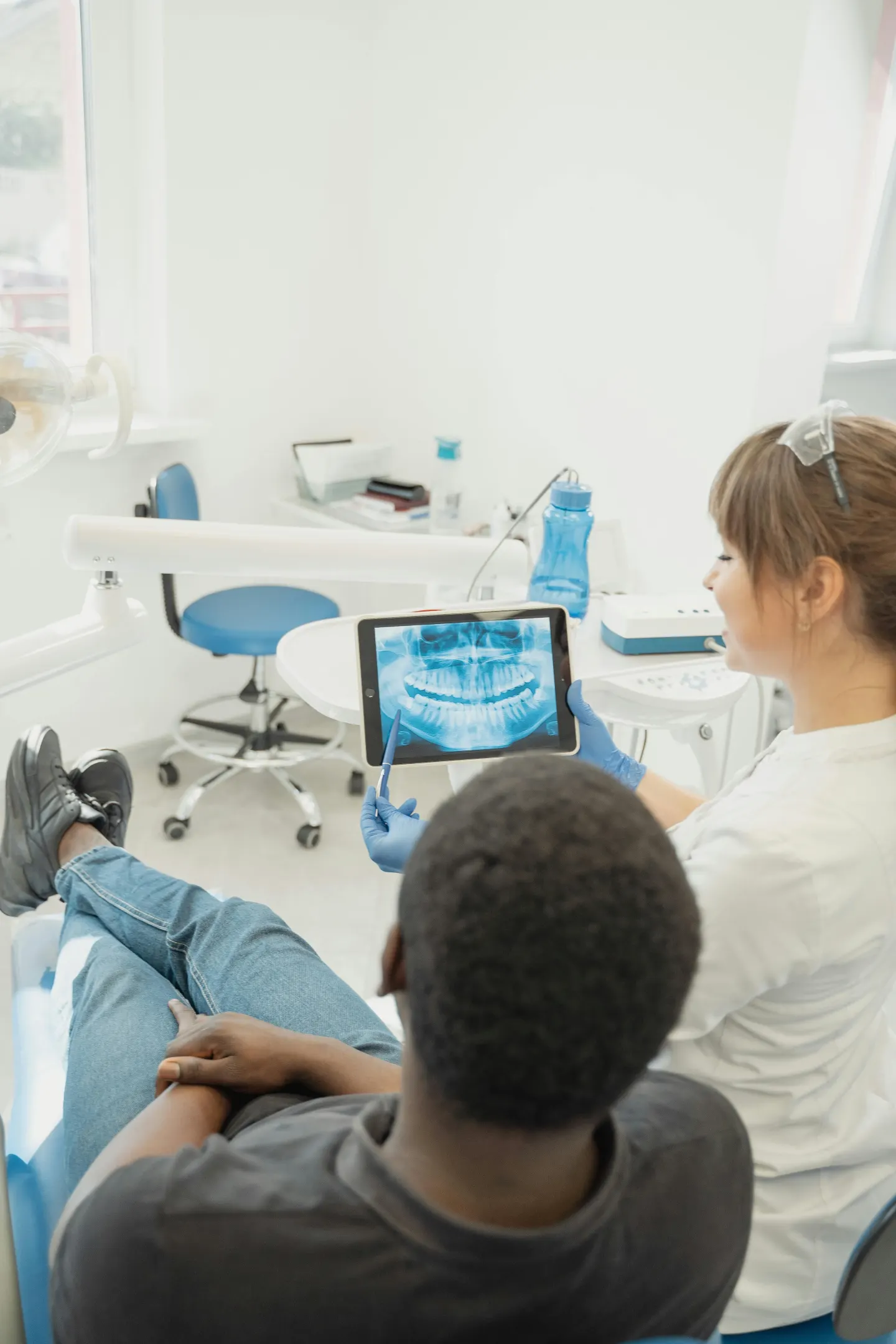

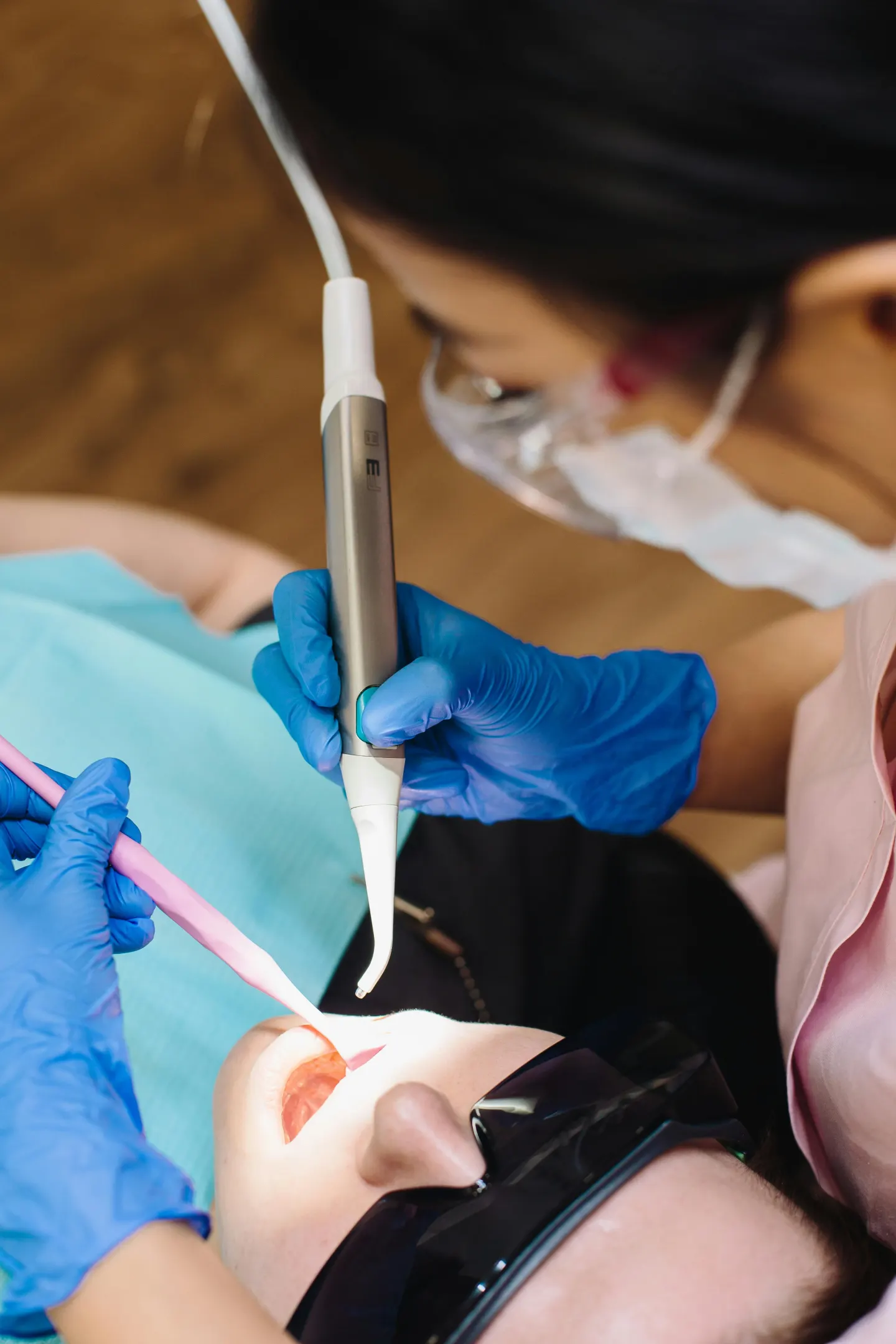
Conservative dentistry seeks to maintain dental health in the long term, reducing the need for more invasive treatment in the future and promoting effective oral hygiene habits among patients.