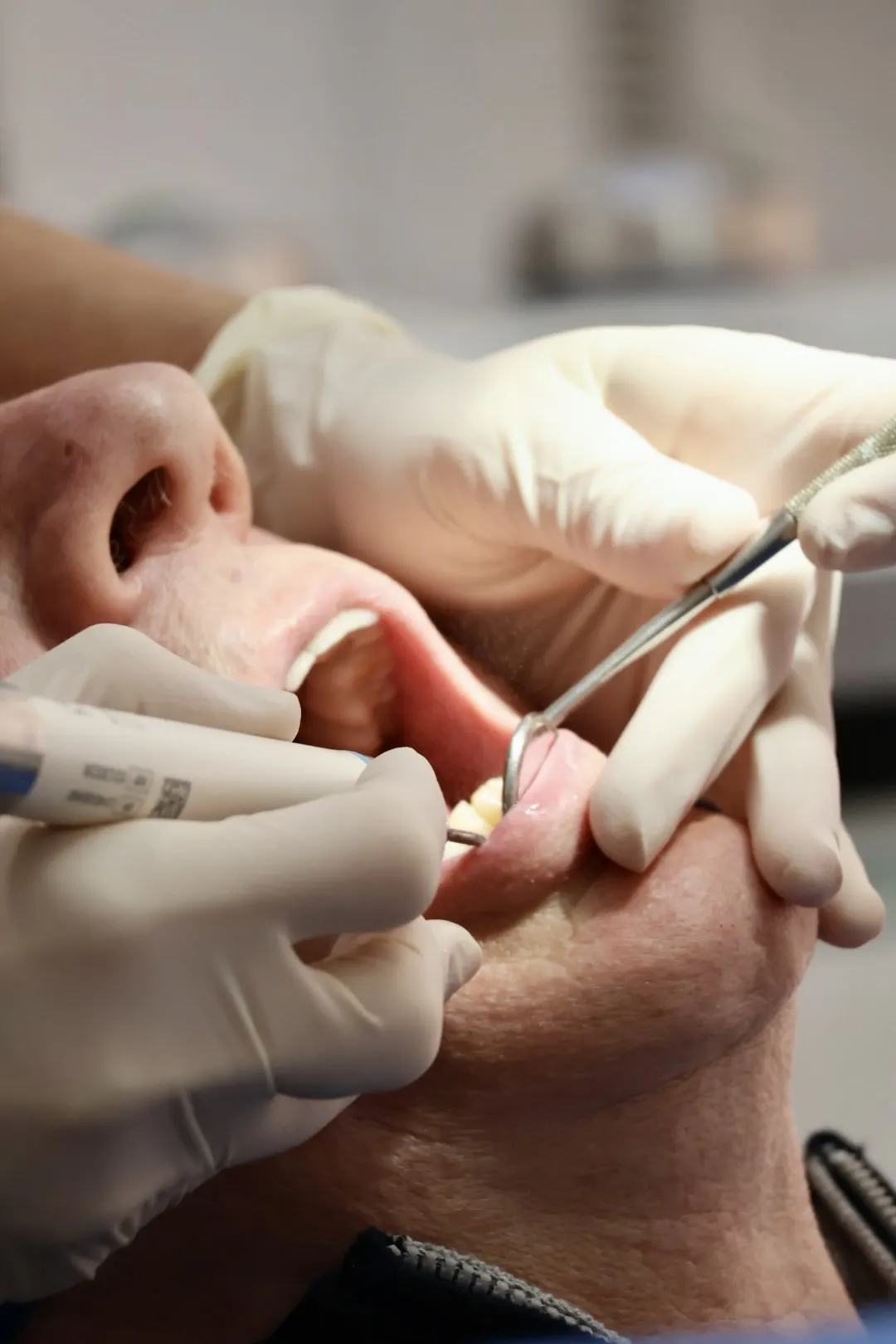

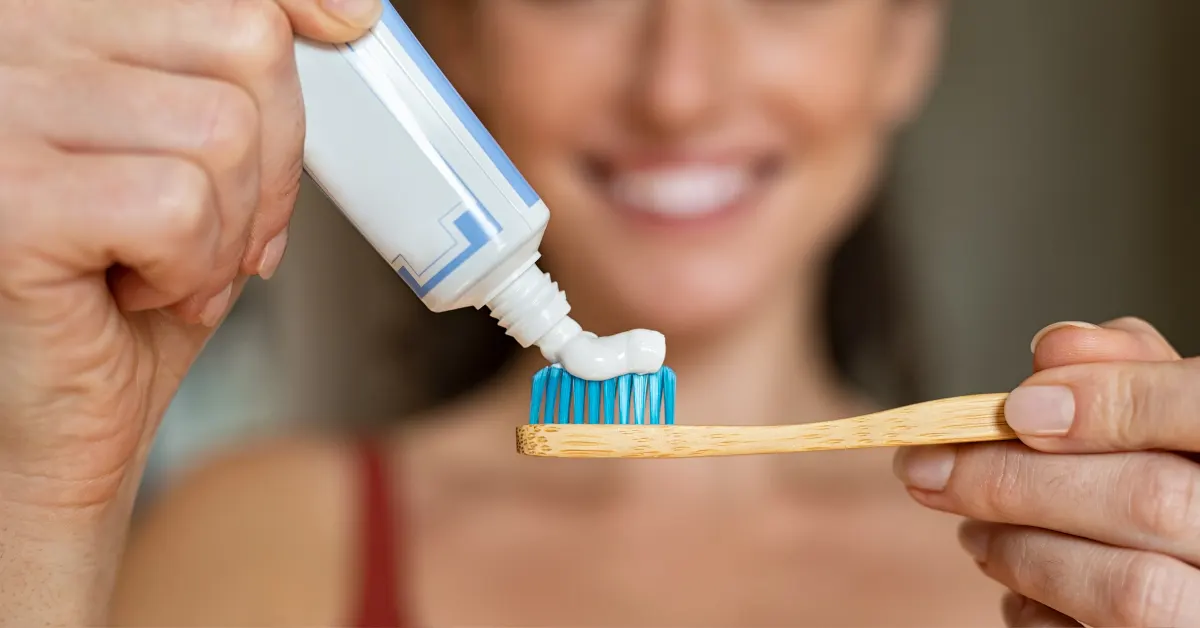
Tooth brushing is the foundation of good oral hygiene and one of the most important habits for keeping a smile healthy and attractive. Yet although we do it several times a day, we do not always do it the right way. There are very frequent mistakes that, in the long run, can reduce the effectiveness of brushing and even damage teeth and gums without us noticing.
Knowing what these mistakes are and correcting them in time is key to avoiding problems such as cavities, bad breath, gingivitis or enamel wear. Below we explain the most common tooth-brushing mistakes and how to fix them simply.
1. Brushing too hard or for too short a time
One of the most common mistakes is thinking that the harder we scrub, the cleaner our teeth will be. In reality, putting excessive pressure on the enamel not only fails to improve cleaning but can be very harmful: it wears down the enamel, causes tooth sensitivity and encourages the gums to recede.
On the other hand, it is also common to fall into the opposite extreme: spending too little time brushing. Many people brush for barely 30 or 40 seconds, when the recommendation is at least 2 minutes, covering all surfaces well: outer, inner and chewing surfaces.
The key is to find the balance and use a suitable technique, such as the Bass technique. It consists of holding the brush at a 45-degree angle towards the gum line, making gentle vibrating movements in that area to remove the plaque that has built up between tooth and gum, and finishing with a vertical sweep from the gum towards the tooth. This achieves effective cleaning without damaging the tissues.
2. Using a worn-out or unsuitable toothbrush
A toothbrush with splayed, bent or worn bristles loses much of its effectiveness and can even irritate the gums. Although we often overlook it, the ideal is to change your toothbrush roughly every three months, or sooner if you notice it no longer keeps its original shape.
In this respect, using an electric toothbrush can be an excellent option, as it makes pressure easier to control, performs the right movements automatically and improves the removal of bacterial plaque, especially for people with limited manual dexterity.
If you opt for a manual toothbrush, it is important to choose the right type of bristles. Hard bristles are never recommended, as they can damage the enamel and gums. The most advisable choice is medium bristles and, in certain cases (sensitive gums, gum recession or after dental treatment), soft bristles.
3. Forgetting the tongue and gums
Brushing should not be limited to the teeth. The tongue and the gum line accumulate large numbers of bacteria that not only affect oral health but are also responsible for bad breath. When a tongue scraper is used, cleaning the tongue is already properly covered, so the toothbrush should be kept for the teeth and for gently cleaning the area near the gums, thus helping to prevent problems such as gingivitis and to maintain good oral hygiene.
4. Brushing right after eating acidic foods
Another fairly common mistake is brushing immediately after eating or drinking acidic foods such as oranges, lemons, fizzy drinks or wine. At those moments, the tooth enamel is softer and more vulnerable, and brushing can wear it down even further.
Dentists recommend waiting at least 30 minutes before brushing after consuming acidic products. During that time, saliva helps neutralise the acidity and restore the mouth’s natural pH, reducing the risk of damage to the enamel.
5. Not using floss or other hygiene aids
Although the toothbrush is essential, it does not clean between the teeth or in the narrowest areas. Plaque and food debris build up there, which over time can lead to cavities or gum disease. That is why brushing needs to be complemented with dental floss, interdental brushes or oral irrigators, at least once a day.
This simple habit makes a big difference to oral health, as it removes plaque where the brush cannot reach and noticeably reduces the risk of periodontal problems.
6. Brushing less often than necessary
Brushing only once a day is not enough to keep the mouth in good condition. The general recommendation from specialists is to do it at least twice a day, preferably after each main meal and always before going to bed.
Night-time brushing is especially important because saliva production falls during sleep, which encourages bacteria to multiply. If we do not remove food debris properly before going to bed, the chances of cavities and gum problems increase.
Tooth brushing is a simple habit, but doing it incorrectly can have long-term consequences for our oral health. Using the right technique, spending enough time, choosing a good toothbrush and complementing hygiene with floss are the keys to keeping teeth and gums in perfect condition.