

The colour of your teeth is one of the things that most influences how a smile looks. Over time, however, it is common for teeth to lose their natural shade and take on a darker or more yellowish appearance. One of the most decisive factors in this process is diet.
Knowing which foods encourage staining and how to minimise their effect is key to keeping a smile healthy and well cared for.
Why do teeth get stained?
Dental stains can be classified as extrinsic or intrinsic. The most common ones linked to diet are extrinsic, meaning those that affect the surface of the enamel.
Tooth enamel, although it is the hardest structure in the body, has a porous microstructure that makes it easier for pigments from certain foods and drinks to attach. These pigments, known as chromogens, bind more easily when the enamel is weakened or when bacterial plaque has built up.
The foods and drinks most likely to stain your teeth
1. Coffee and tea
Coffee is one of the main culprits behind dental stains. It contains a high concentration of chromogens that attach easily to the enamel. Tea, especially black tea, can cause even more intense staining because of its tannin content, substances that help pigments adhere.
2. Red wine
Red wine combines two factors that encourage staining: dark pigments and acidity. Acidity can temporarily weaken the enamel, making it easier for chromogens to bind more strongly to the tooth surface.
3. Sugary drinks and dark fizzy drinks
Cola and dark energy drinks can contribute both to stains and to enamel wear. Their high content of acids and artificial colourings increases the risk of staining and tooth erosion.
4. Intensely coloured fruit and vegetables
Foods such as red berries, blackberries, blueberries or beetroot contain highly concentrated natural pigments. Although they are healthy foods, eating them frequently can lead to superficial stains on the teeth.
5. Dark sauces
Sauces such as soy sauce, balsamic vinegar or certain concentrated tomato sauces can leave visible pigmentation on the enamel, especially when consumed regularly.
Factors that increase the risk of dental stains
- Poor oral hygiene
- Frequent consumption of pigmented foods
- Dry mouth or reduced saliva flow
- Worn or eroded enamel surface
- Smoking
These factors make it easier for pigments to attach to the tooth enamel and to stay there.
How to prevent stains on your teeth
1. Maintain proper oral hygiene
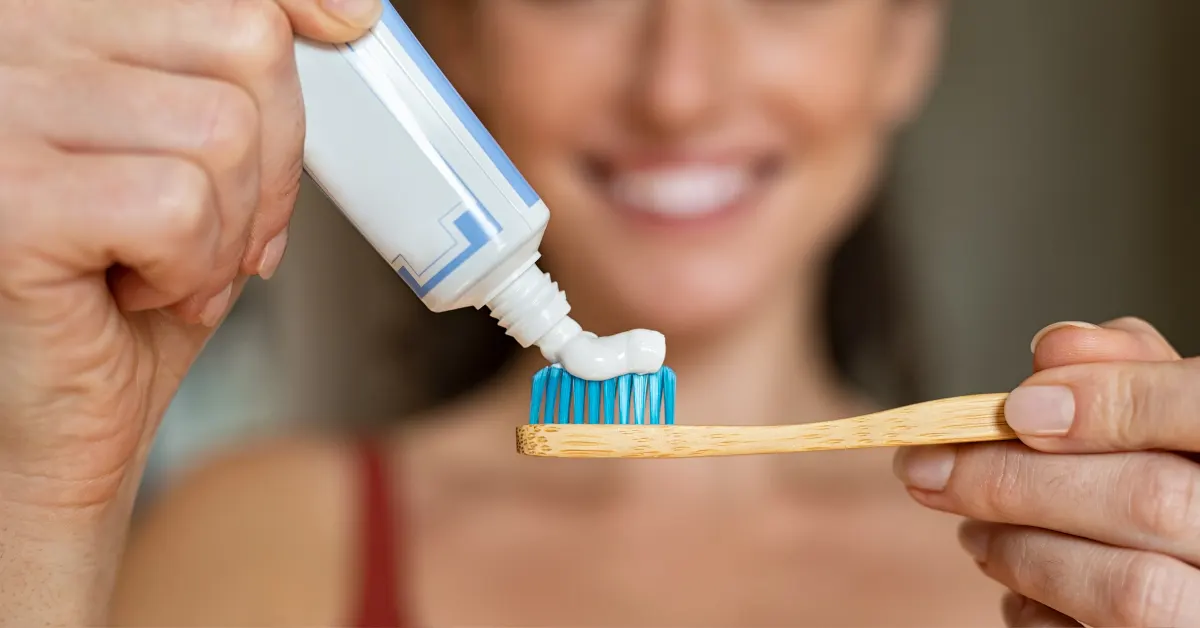
Brushing at least twice a day, together with daily flossing, is essential to remove bacterial plaque and pigmented residue before it fixes to the enamel.
It is important to wait about 30 minutes after consuming acidic foods or drinks before brushing, to avoid wearing down softened enamel.
2. Rinse your mouth after pigmented foods
Rinsing with water after coffee, red wine or other dark foods helps reduce the time the pigments are in contact with your teeth.
3. Use a straw for dark drinks
Whenever possible, drinking through a straw reduces direct contact between pigmented liquids and the tooth surface, especially on the front teeth.
4. Favour foods that clean naturally
Crunchy fruit and vegetables, such as apples or carrots, stimulate saliva and have a slight cleaning effect on the tooth surface.
5. Have regular check-ups and professional cleanings
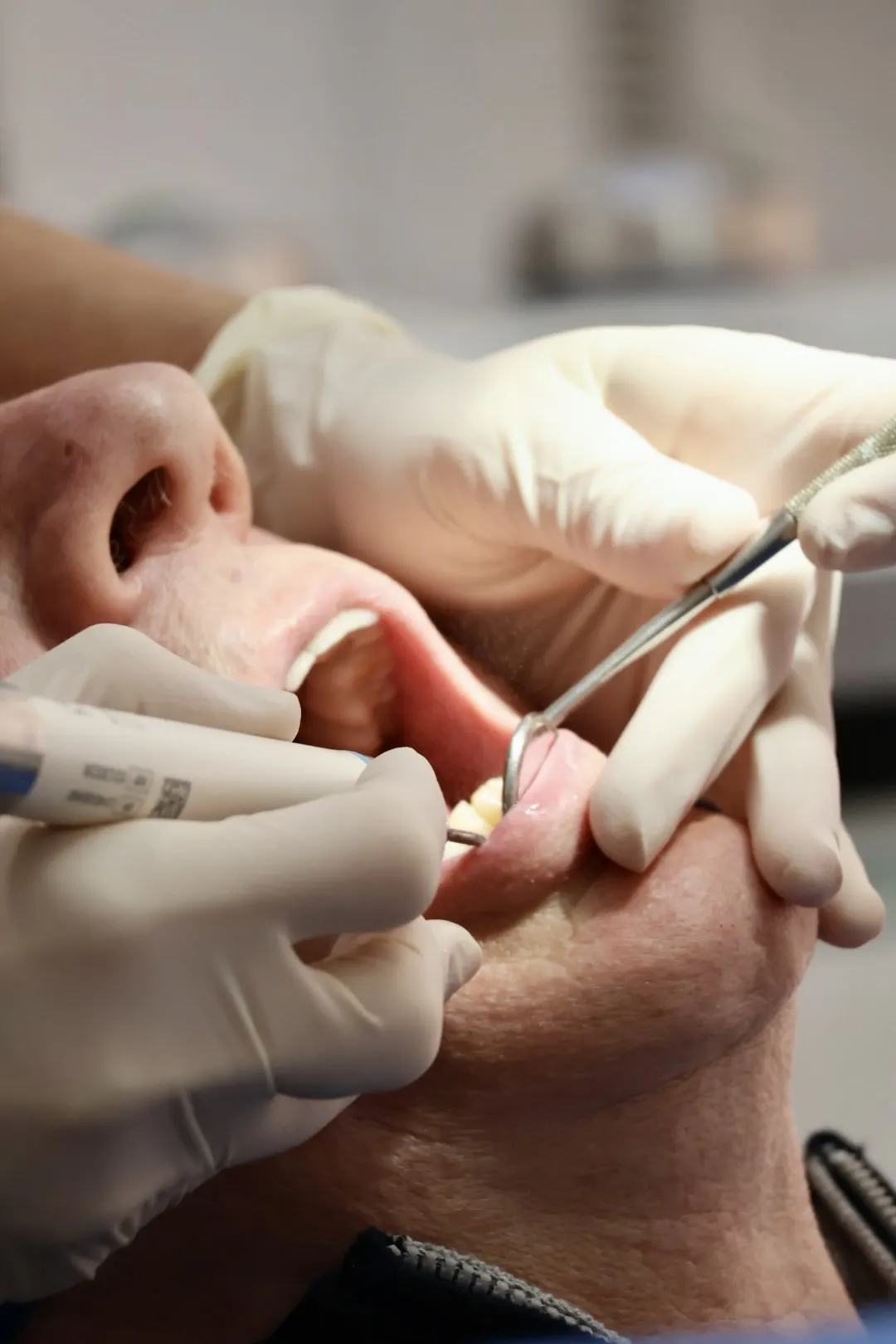
Professional dental cleanings remove extrinsic stains that do not disappear with everyday brushing and help keep the enamel in better condition.
The appearance of dental stains is closely linked to diet and daily habits. Although some foods and drinks are hard to avoid, taking preventive measures and maintaining good oral hygiene minimises their aesthetic impact.
Looking after the colour of your teeth is not only a matter of image, but also a reflection of good oral health and responsible long-term habits.