What is bruxism?
Bruxism is involuntary muscle contractions that cause clenching or
grinding of the teeth.
Although it is a physiological phenomenon that everyone experiences at certain moments of the day
or night, when it happens continuously and/or intensely it can cause problems
with severe consequences for the muscles, joints and teeth.
There are two main types of bruxism:
● Awake bruxism: Clenching the teeth during the day, generally associated with stress
or concentration.
● Sleep bruxism: Grinding or clenching the teeth while we sleep.
What are the symptoms of bruxism?
Identifying bruxism is key to avoiding greater damage. Some of the most
common symptoms include:
● Pain or tension in the jaw muscles.
● Headaches, especially on waking.
● Wear or fractures in the teeth.
● Tooth sensitivity.
● Night-time grinding noises (reported by a partner or family members).
● Difficulty opening or closing the mouth fully.
Consequences of untreated bruxism
If bruxism is not diagnosed or treated, it can lead to:
● Severe tooth wear: Loss of tooth structure that may require
complex reconstructions.
● Problems with the temporomandibular joint (TMJ): Pain, clicking or difficulty
moving the jaw.
● Muscle pain in the area that can be very intense and can be mistaken for
tooth pain.
● Sleep problems: Impact on the quality of night-time rest, both for the
patient and for those who share the room.
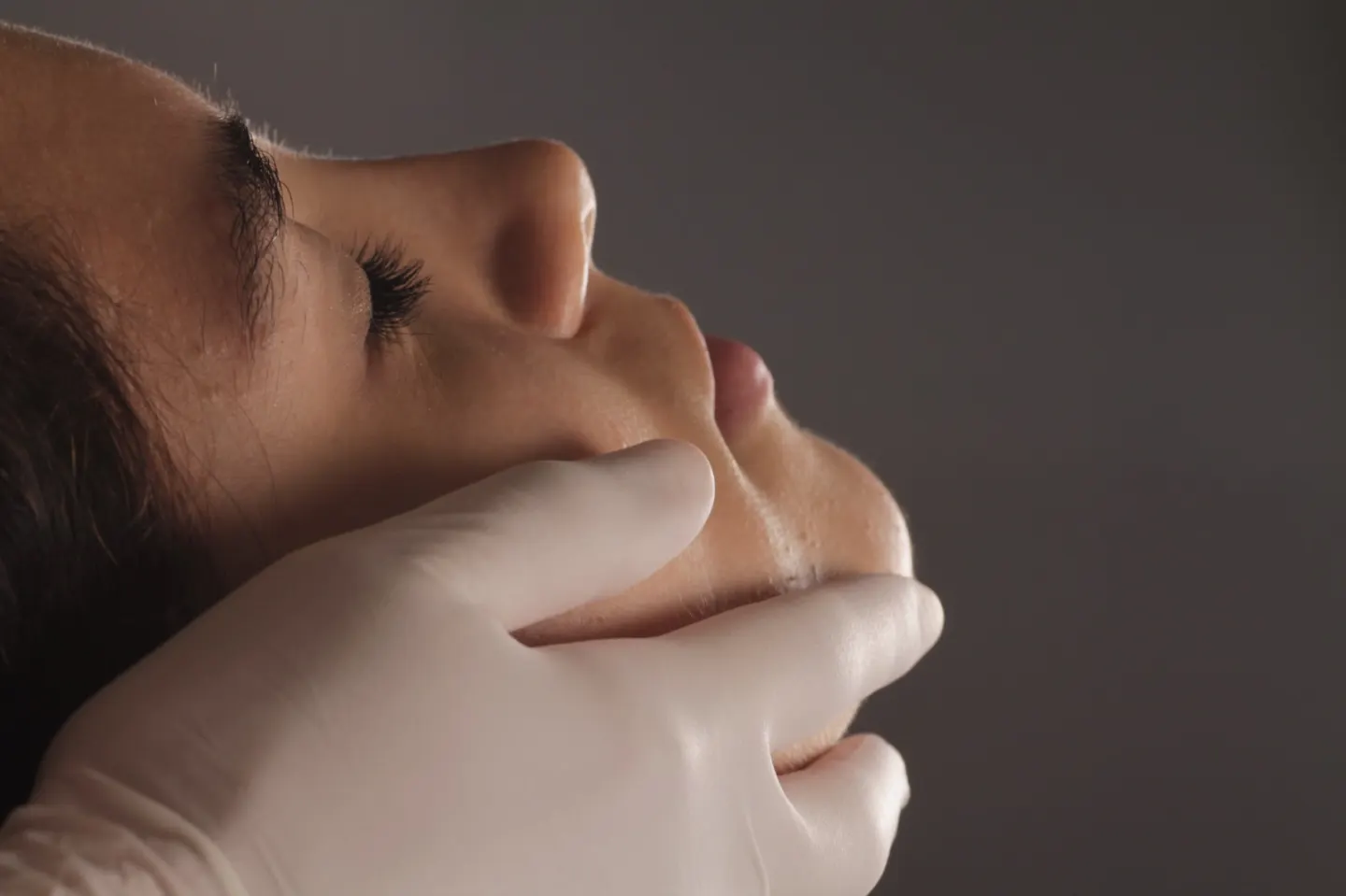
Treatments available for bruxism
At Amparo Lorca Clínica Perios, we offer personalised solutions to treat
bruxism effectively. Some of the most common treatments are:
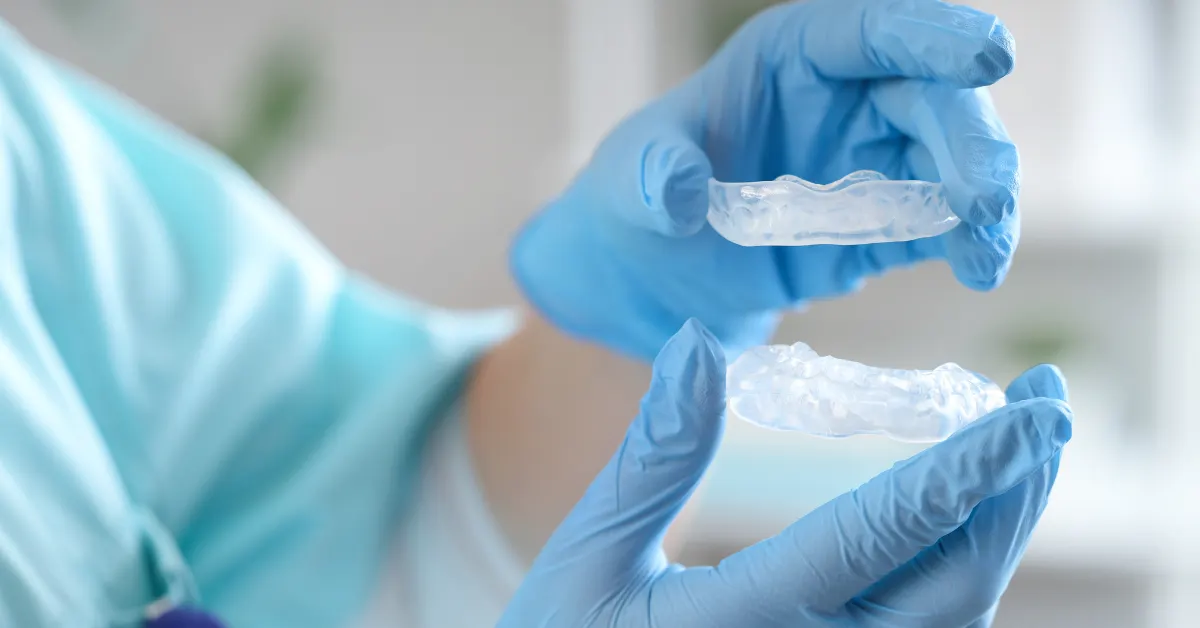
Night guards:
○ Custom-made devices that protect the teeth from wear and relieve
muscle tension. They are ideal for night-time bruxism.
Stress therapies:
○ Stress is one of the main triggers of bruxism. Relaxation techniques,
such as meditation or yoga, can be very useful as a complement
to dental treatment.
Dental reconstruction:
○ When bruxism causes wear, it may be necessary to rehabilitate both
arches because of the nature of the damage.
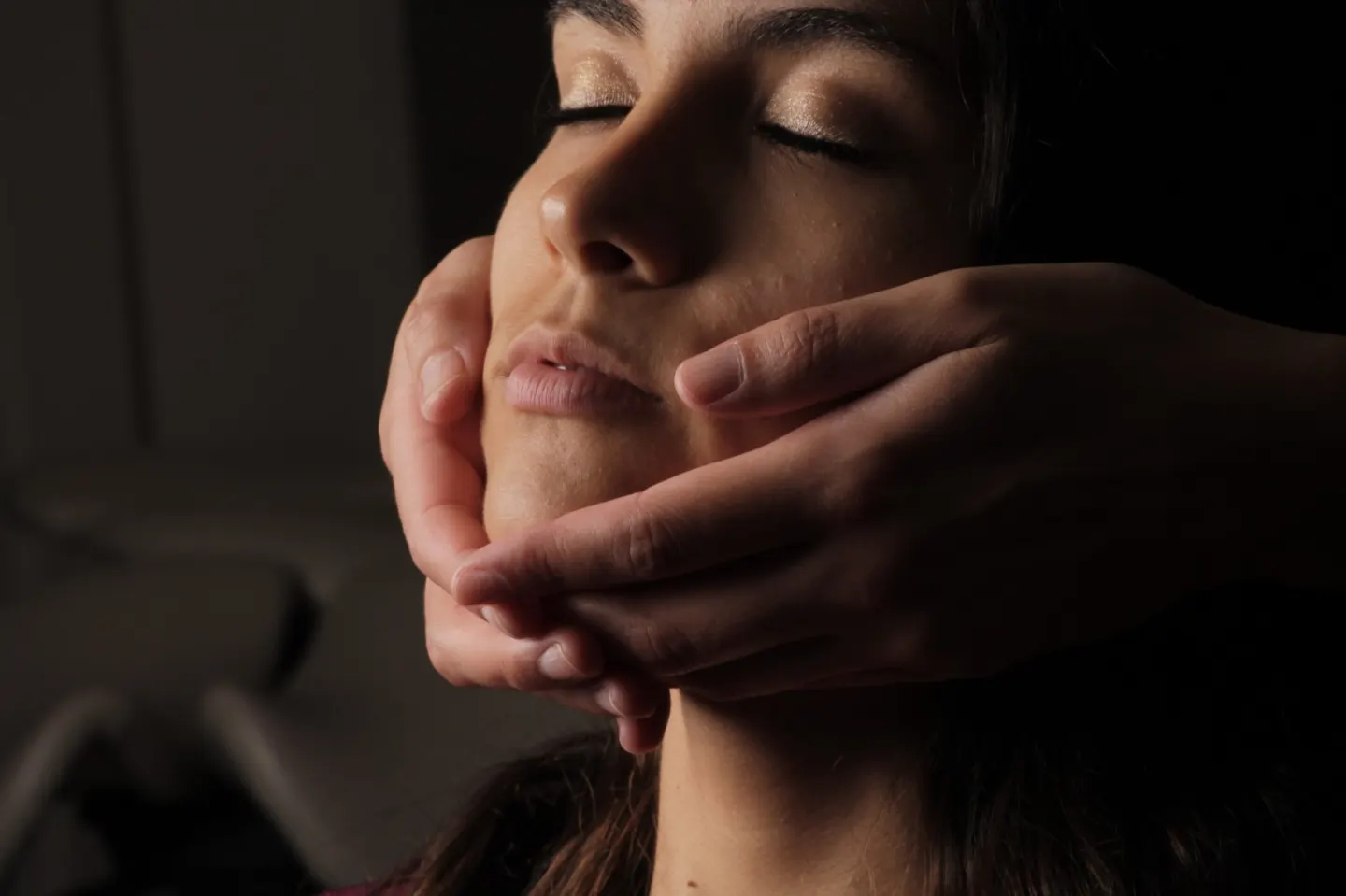
Jaw physiotherapy:
○ Exercises and massage to relieve tension in the jaw muscles and
improve TMJ function.
Conclusion
Bruxism is a more common problem than it seems and can seriously affect your
oral health if it is not treated in time. At Amparo Lorca Clínica Perios, we have more
than 25 years of experience and a team specialised in oral health care.
Don’t let bruxism damage your smile!
☞ Book your first consultation!
⚡ Valencia: C/ Félix Pizcueta 27. Phone: 963523368
⚡ Ontinyent: Pl. Vicent Andrés Estellés. Phone: 961912552